
Why Visceral Fat Isn’t Just About Diet
The Real Signals That Control Belly Fat
Most people believe belly fat is caused by consuming too many calories. So they try cutting calories, adding more exercise, or succumbing to the latest diet trend. But despite all that effort, the stubborn belly often stays.
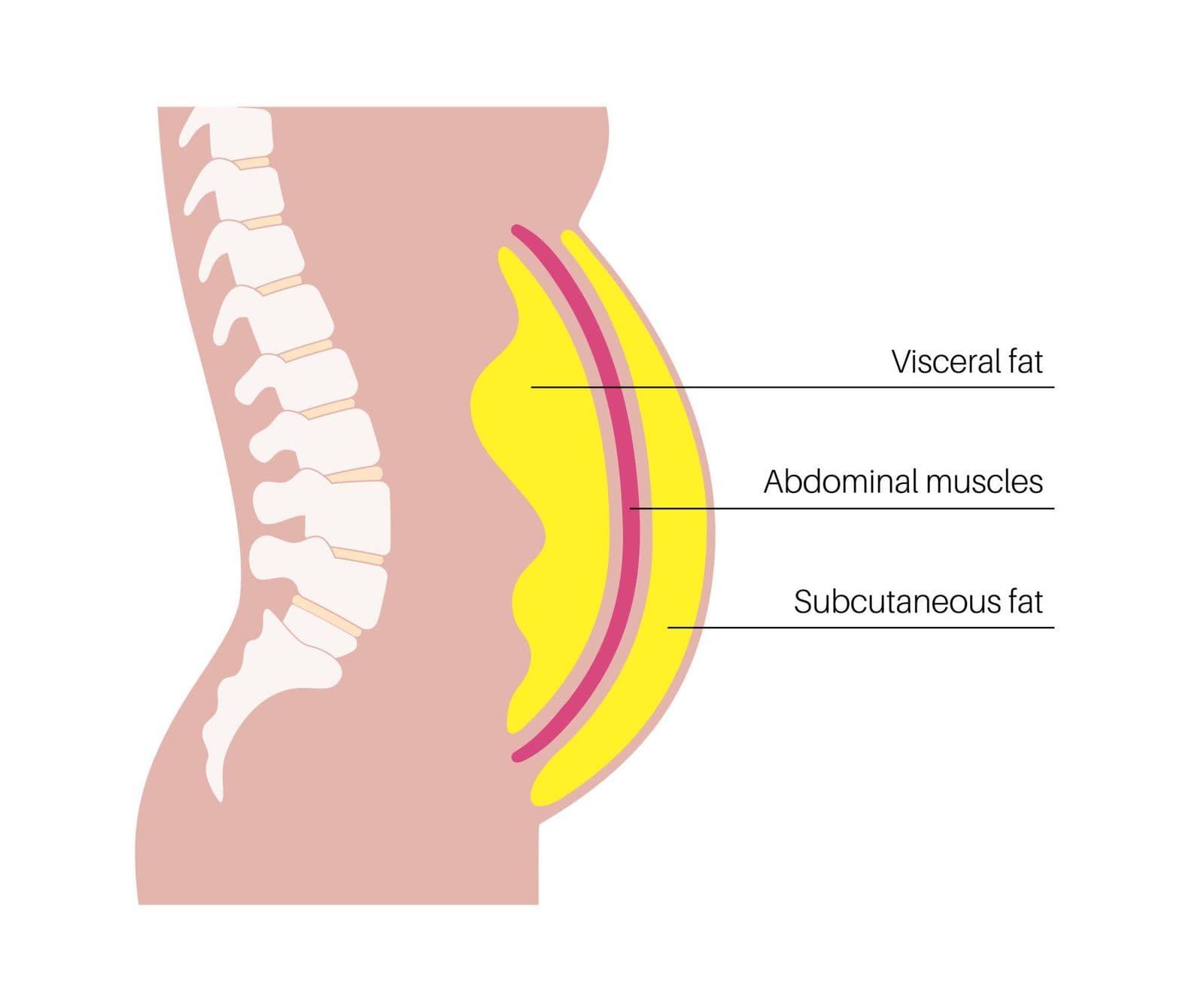
That’s because visceral fat, the dangerous fat stored around the organs, is NOT just a food problem. It’s a metabolic signaling problem.
Your body is constantly responding to signals from your environment. Those signals influence hormones like insulin, cortisol, leptin, and melatonin, which ultimately determine whether your body stores or burns it.
Understanding these signals changes everything about how we approach metabolic health.
Research has linked visceral fat to several major health concerns, including:
- insulin resistance
- type 2 diabetes
- cardiovascular disease
- chronic inflammation
- hormonal imbalance
But the most important thing to understand is this:
Visceral fat is not simply stored energy; it is often a signal that metabolism has become dysregulated.
While calories do matter, the body actually responds primarily to biological signals.
These signals come from daily lifestyle inputs such as:
- the foods you eat
- your exposure to natural light
- movement and muscle activity
- stress levels
- sleep quality
- environmental exposures
These inputs communicate with your hormonal system, which acts as the true control center of metabolism. When those signals are aligned, metabolism works efficiently.
When they become disrupted, the body shifts toward fat storage.
Insulin
Insulin regulates blood sugar and energy storage. When insulin levels remain elevated for long periods, the body shifts into fat storage mode, and fat burning becomes more difficult.
This is one of the main drivers behind visceral fat accumulation.
Cortisol
Cortisol is a stress hormone that helps mobilize energy when the body faces physical or psychological stress.
However, chronically elevated cortisol can increase blood sugar levels and promote fat storage, particularly around the abdomen.
Leptin
Leptin acts as the body’s energy signal to the brain. It helps regulate appetite and energy balance.
When leptin signaling becomes impaired, a condition known as leptin resistance, the brain struggles to sense stored energy accurately.
This can lead to increased hunger and disrupted metabolism.
Melatonin
Melatonin regulates circadian rhythm and plays a crucial role in nighttime metabolic repair.
Poor sleep or excessive artificial light exposure can disrupt melatonin production, which can influence insulin sensitivity and metabolic health.
This cycle often looks like this:
Insulin rises
- Visceral fat increases
- inflammation increases
- insulin resistance develops
- insulin rises even more
Breaking this cycle requires addressing the signals that drive metabolism, not just food intake.
Movement
Regular movement, particularly walking and resistance training, improves insulin sensitivity and allows muscles to absorb glucose more efficiently.
Muscle tissue acts as a powerful metabolic organ that helps regulate blood sugar and energy balance.
Sunlight and Circadian Rhythm
Exposure to natural light helps regulate circadian rhythms and supports healthy hormone signaling.
Morning sunlight in particular can help align cortisol and melatonin cycles, improving metabolic regulation.
Sleep
Sleep plays a critical role in hormonal balance and metabolic repair.
Poor sleep can increase cortisol levels and impair insulin sensitivity, both of which contribute to visceral fat accumulation.
Whole Foods and Protein
Nutrient-dense whole foods help stabilize blood sugar and support muscle maintenance.
Adequate protein intake supports muscle tissue, which improves metabolic flexibility and energy use.
Many people notice improvements in:
- energy levels
- blood sugar control
- sleep quality
- body composition
Reducing visceral fat is not simply about restricting foods; it is about restoring the metabolic signals the body evolved to function with.
Food matters, but it is only one piece of the picture.
Movement, light exposure, sleep, stress management, and hormone balance all influence how the body regulates fat storage.
When these signals are restored, metabolism often begins to work the way it was designed to.
National Institute of Diabetes and Digestive and Kidney Diseases
Keeping an eye on circadian time in clinical research and medicine